Harukoma

Writes the logistics pages. Works to one rule: a price comes from the company that charges it.
UpdatedOpen 11:00 to 21:30, straight through with no afternoon break, and closed on Tuesdays. Those three facts are most of what you need, because there is no booking system, no set menu to study and no dress code.
Harukoma is on Tenjinbashisuji, the covered shopping street north of the river that runs for about two and a half kilometres and is generally called the longest arcade in Japan. The queue outside it is almost entirely local, which in a city with Osaka’s tourist volume is the most reliable signal there is.
At a glance
- Hours
- 11:00–21:30, continuous through the afternoon
- Closed
- TUESDAYS
- Booking
- None. You queue, and at peak that is 30–60 minutes
- Style
- Osaka sushi: large cuts, moderate prices, no ceremony
In this guide
Osaka sushi is not Tokyo sushi
The sushi tradition that produces silent counters, a chef watching you eat and a bill you learn afterwards is Edomae, and it is a Tokyo invention: fish cured, aged or marinated before serving, small neat pieces, a progression dictated by the chef.
Osaka’s own tradition is older and quite different. This was a city of pressed sushi – oshizushi and battera, fish and rice compressed in a wooden box and cut into blocks – made to keep, made to carry, sold by weight. The sensibility that comes out of it is generous rather than precise, and the modern Osaka counter inherits it: the fish is cut large and hangs over the edges of the rice, the prices are moderate, and nobody is watching you for form.
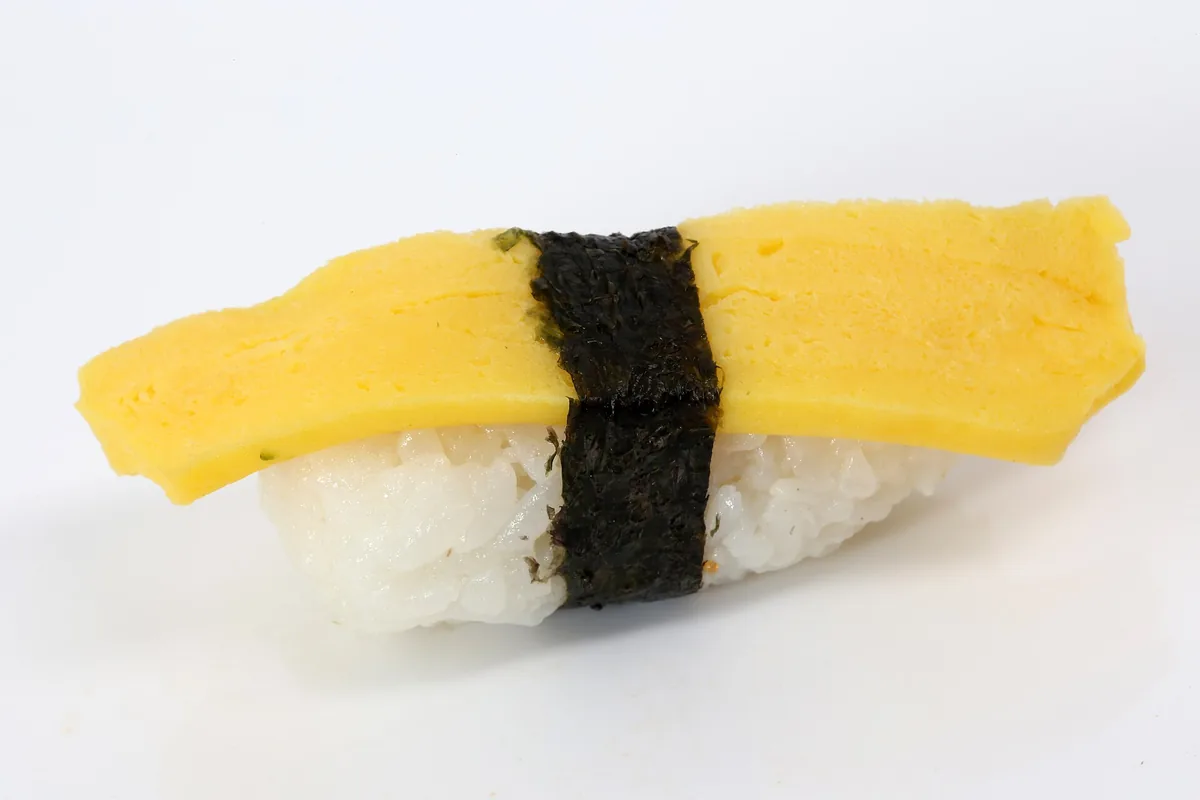
At Harukoma that is literal. The pieces are conspicuously oversized, the rice underneath is proportionally small, and a plate of them looks slightly absurd. It is not a gimmick so much as a local house style taken to its conclusion, and it is why the place has a reputation among people who eat a great deal of sushi elsewhere.
How to order it
Order by the piece from the counter or take one of the sets. A full meal lands well under what an equivalent Tokyo counter would charge, which is the second half of the Osaka sushi proposition and the reason the queue exists.
Worth ordering: the anago, sea eel, which is a Kansai strength and is simmered rather than grilled here; the saba, cured mackerel, which is the fish the pressed-sushi tradition was built on; and whatever the day’s white fish is. Skip the tuna unless you particularly want it – it is fine, and it is not what this counter is for.
It is loud, it is fast, and the turnover is brisk. This is not a place to sit for two hours. Forty-five minutes is a full meal and the staff will not rush you, but everybody around you is eating at that pace.
Timing and the street
The queue is worst from about 12:00 to 14:00 and again from 18:00 to 20:00, when it runs half an hour to an hour. 11:00 at opening and the stretch from 14:30 to 17:00 are the two windows where you walk in. The continuous service through the afternoon is unusual in Japan and is the single most useful thing about the restaurant.
Tuesday is the closing day. Note that Osaka’s Tuesday closures cluster – the Museum of History and the Cupnoodles Museum also shut on Tuesdays, while the National Museum of Art shuts on Mondays. A Tuesday in Osaka needs planning.
Tenjinbashisuji itself deserves the walk either side of lunch: two and a half kilometres of covered arcade running from near Minami-morimachi up to Tenjinbashisuji Rokuchome, almost entirely local shops, and the street the Tenjin Matsuri procession forms up around in July.
Frequently asked questions
What day is Harukoma closed?
Tuesdays. It is open 11:00 to 21:30 on every other day, continuously, with no afternoon break – which is unusual and very useful.
Can you book Harukoma?
No. You queue on the street. At peak times that is thirty to sixty minutes; at 11:00 or between 14:30 and 17:00 you will normally walk in.
Why is the sushi so big?
It is an Osaka house style. Kansai sushi grew out of pressed box sushi rather than the Tokyo Edomae tradition, and the local sensibility is generous rather than precise. The fish is cut large and overhangs the rice.
Where is Harukoma?
On Tenjinbashisuji, the covered shopping arcade north of the river that runs about two and a half kilometres and is usually called Japan’s longest. The nearest stations are on the Tanimachi and Sakaisuji subway lines.
Is it expensive?
No, and that is much of the point. A full meal costs well below what a comparable Tokyo sushi counter charges, which is why the queue is made up almost entirely of local diners.
Further reading
Official sources
- Harukoma – Tabelog listing – Address, opening hours and the Tuesday closure
- Harukoma – Osaka Metro NiNE – Osaka Metro’s own listing for the restaurant
- OSAKA-INFO – Tenjinbashisuji Shopping Street – The arcade the restaurant stands on