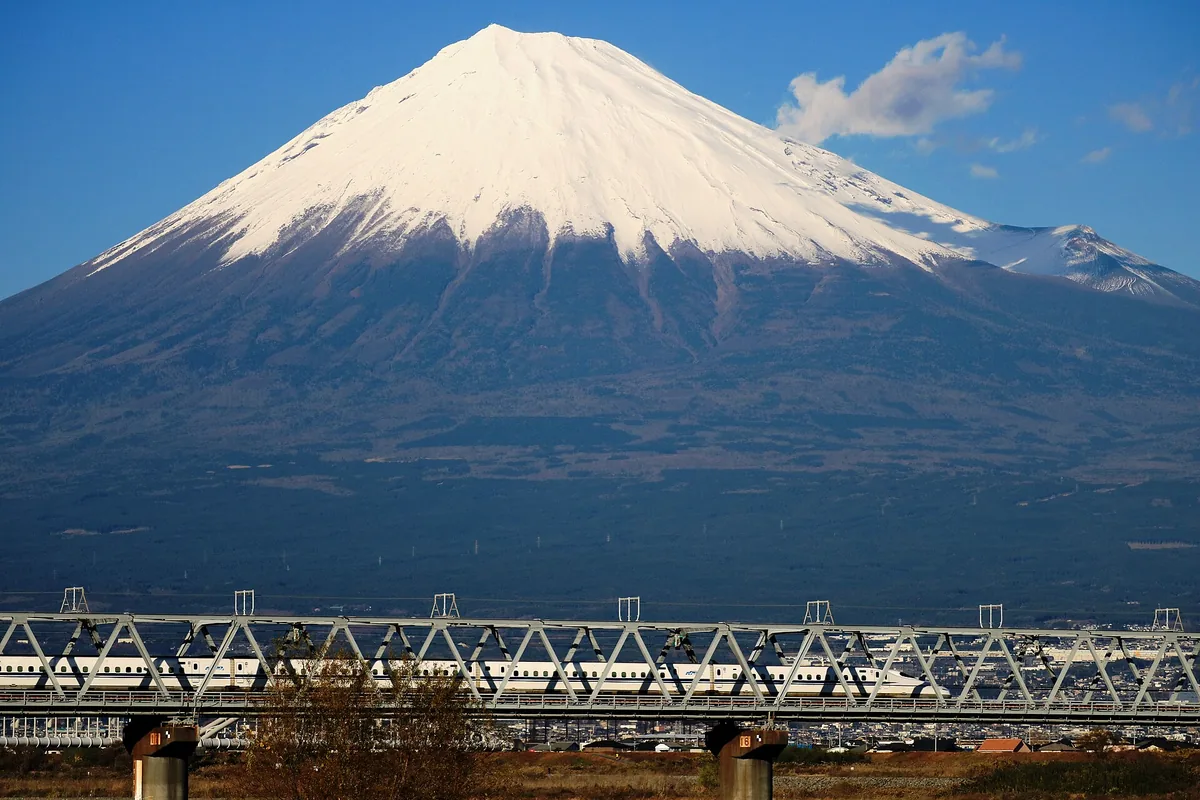
Japan in 10 days
Writes the route pages and owns the fare data behind them. Re-checks every segment on a quarterly sweep.
UpdatedTen days is the length most first trips to Japan actually are, once you subtract the flights, and Tokyo–Hakone–Kyoto–Nara–Osaka is the line most of them follow. There is nothing original about the route. What is unusual here is that every move on it carries a real fare and the date we checked it, and that the JR Pass question is answered by adding those fares up rather than by repeating what everyone else says.
The short version of that answer: on this route the pass recovers about a third of its price, so you buy tickets as you go. The arithmetic is further down and you can check every line of it.
At a glance
- Shape
- Tokyo 3 nights · Hakone 1 · Kyoto 4 · Osaka 2
- Travel cost
- About ¥25,900 in fares, one person, one way through
- JR Pass
- Not worth it on this route – see the sums below
- Best window
- Late November for Kyoto colour; April for blossom
In this guide
The shape, and why it is this shape
Three nights in Tokyo, one in Hakone, four in Kyoto, two in Osaka. The proportions matter more than the cities. Kyoto gets four because it is the one place on this line where a rushed day is an obviously worse day – the temples are spread across two hillsides and the good hours are early. Tokyo gets three because it is enormous and jet lag eats the first one.
Hakone gets exactly one night, and it should be a weekday. This is the most contested stop on the standard route and the criticism is fair: at weekends it is genuinely over-touristed, and a Saturday in Hakone is a coach park with a lake behind it. Midweek it is a different place. If your dates force a weekend there, the honest move is to drop it and give Kyoto a fifth night.
Osaka is the departure city rather than the destination. Two nights, one of them spent eating, and the airport is fifty minutes away in the morning. Flying out of Kansai rather than back to Haneda is what makes the line work – a return to Tokyo costs you most of a day and about ¥13,000.
Day by day
Days 1–3, Tokyo. Arrive, and do not plan anything for the afternoon. Day two is the one to spend on foot: Asakusa early, then Yanaka, which is the low-rise Tokyo people come looking for and rarely find. Day three is yours – teamLab, Shibuya, the Meiji shrine, or a day trip out to Nikkō if you are here in late October and want colour a month before Kyoto has any.
Day 4, to Hakone. The Romancecar leaves from Shinjuku, not Tokyo Station – a detail that catches people with a bag and forty minutes. Eighty-five minutes to Hakone-Yumoto. Onsen, dinner in the ryokan, early night.
Day 5, Hakone loop and on to Kyoto. The Freepass covers the loop: pirate boat, ropeway, Owakudani. Then back down to Odawara and west. Leaving from Odawara rather than returning to Tokyo saves you ¥1,750 and an hour.
Days 6–9, Kyoto. One of these days is Nara. The rest is Kyoto in the order the crowds dictate rather than the order the map suggests – Arashiyama at eight in the morning, Tōfuku-ji at opening, the quieter eastern temples in the afternoon when the coaches have gone.
Days 9–10, Osaka. Move down after breakfast; it is thirty minutes and ¥580. One night eating in Dōtonbori and Shinsekai, then Haruka to the airport.
What the moving actually costs
Six paid moves, one person: about ¥25,900 end to end. That is the Romancecar to Hakone, the two-day Freepass, the shinkansen out of Odawara, the Nara round trip, the hop to Osaka and the airport train.
It is worth seeing that number next to the pass price before anyone talks you into one. A 7-day ordinary JR Pass is ¥50,000 today and ¥53,000 from 1 October 2026. The pass does not cover the Romancecar or the Hakone Freepass at all, which is where a quarter of this route’s travel spend goes.
Every move, with what it costs
Fares are one-way, regular season, checked in September 2026.
Odakyu Romancecar · 1h 25m
¥2,470 base ¥1,270 + limited express ¥1,200 checked 2026-09 Odakyu (official, English)
Departs Shinjuku, not Tokyo Station. The e-ticket is ¥2,420.
The other way to do it
- Tokaido Shinkansen (Hikari / Kodama) – ¥3,810 reserved, regular season; ¥3,280 non-reserved, 33m. Faster and pass-covered, but Odawara is not Hakone – you still pay for the Hakone loop from there.
Odakyu (Hakone Freepass) · 2 days
¥7,100 3-day ¥7,500; child 2-day ¥1,600 checked 2026-09 Odakyu Hakone Freepass (official)
Covers the round trip from Shinjuku plus the Hakone loop – not the Romancecar surcharge.
Tokaido Shinkansen (Hikari) · 1h 43m – 2h
¥12,100 reserved, regular season; ¥11,770 non-reserved checked 2026-09 Ekitan fare search
The leg out of Hakone: back down to Odawara, then west. Saves ¥1,750 over starting from Tokyo.
JR Nara Line (Miyakoji Rapid) · 45m
¥720 checked 2026-09 Japan Guide – Kyoto to Nara
The other way to do it
- Kintetsu – ¥1,280 limited express; the regular express is ¥760, 35m limited express / 45m express. Ten minutes faster on the limited express and it stops nearer the deer park, but the pass does not cover it.
JR Kyoto Line (Special Rapid) · 30m
¥580 checked 2026-09 Japan Guide – Kyoto to Osaka
JR West (Haruka) · about 50m
¥2,910 reserved; the foreign-visitor one-way ticket is ¥1,800 checked 2026-09 JR West – Haruka one-way ticket (official)
JR West publishes only the discounted visitor price on its own English site. The ¥2,910 regular fare comes from a third-party fare service, not the operator.
The places, and whether they are worth it
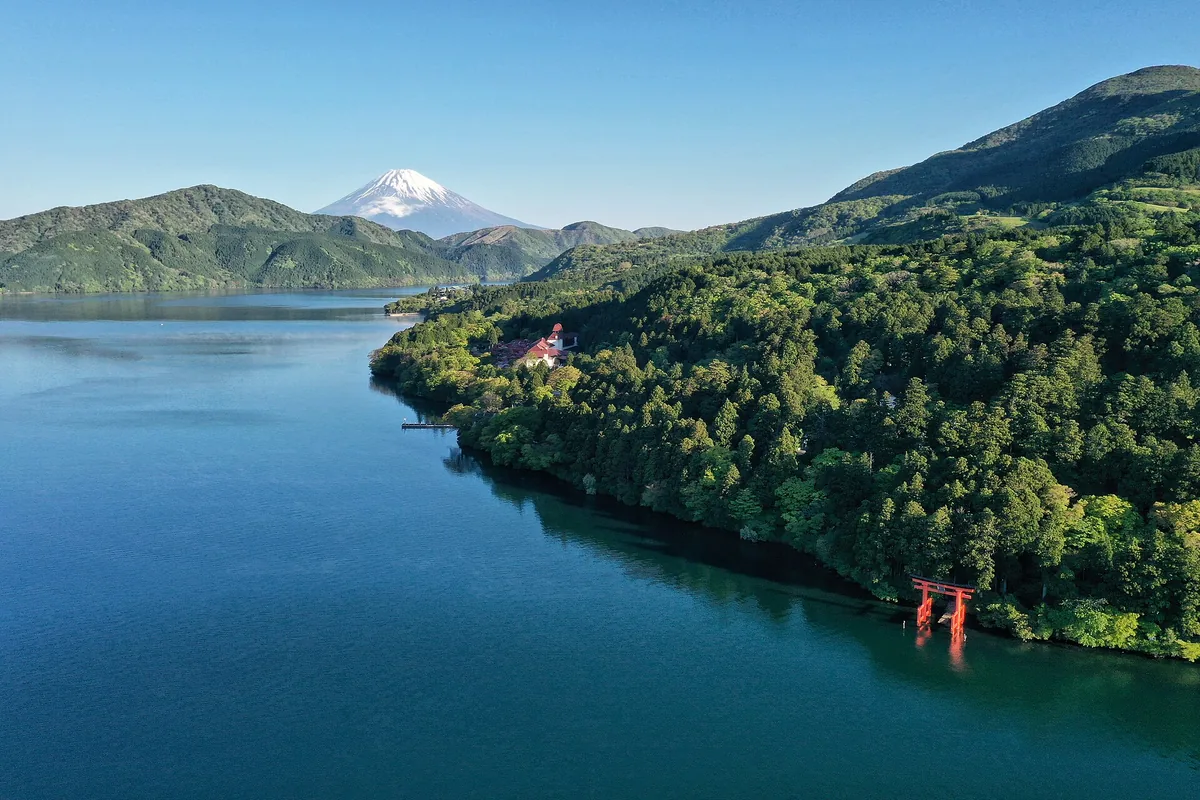
Hakone
It dependsWeekends are genuinely over-touristed and a midweek night is a different place. If your dates are fixed to a weekend, consider Kusatsu or Kawaguchiko instead.
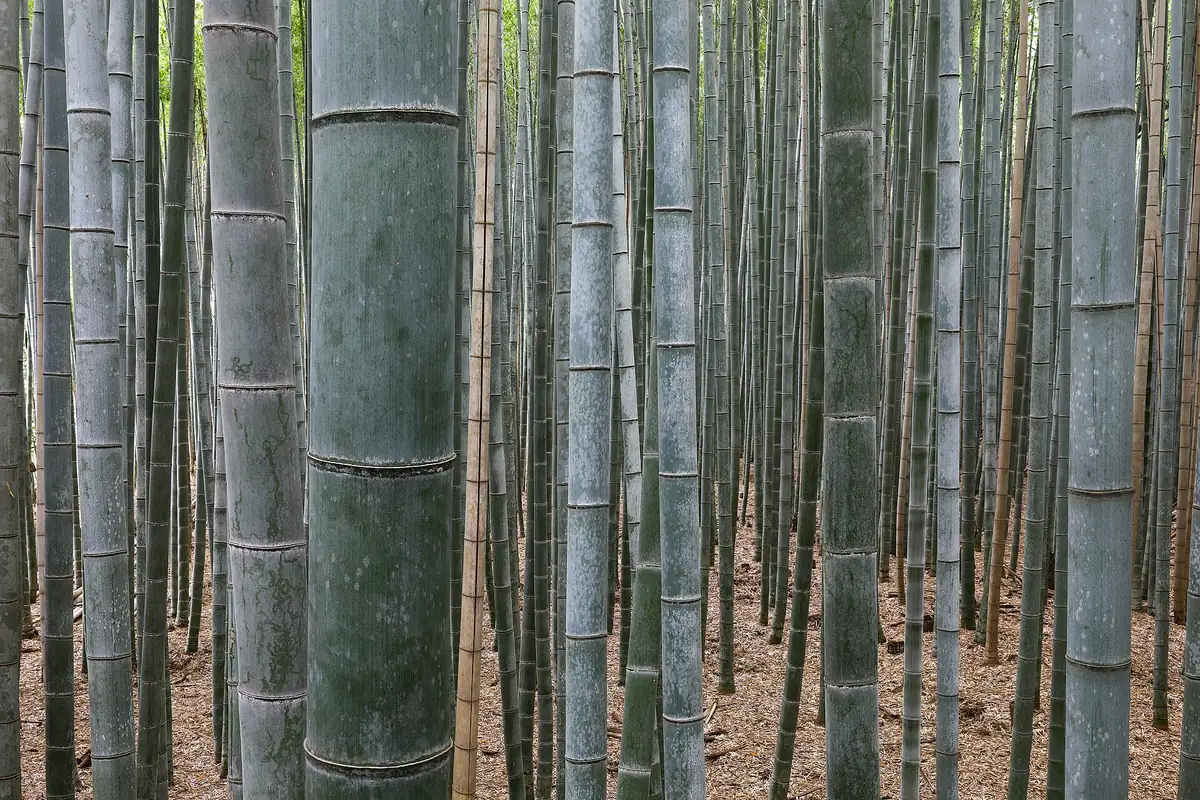
Arashiyama
It dependsThe bamboo grove before about 08:00 is worth the alarm. By eleven it is a queue with trees.
Tōfuku-ji
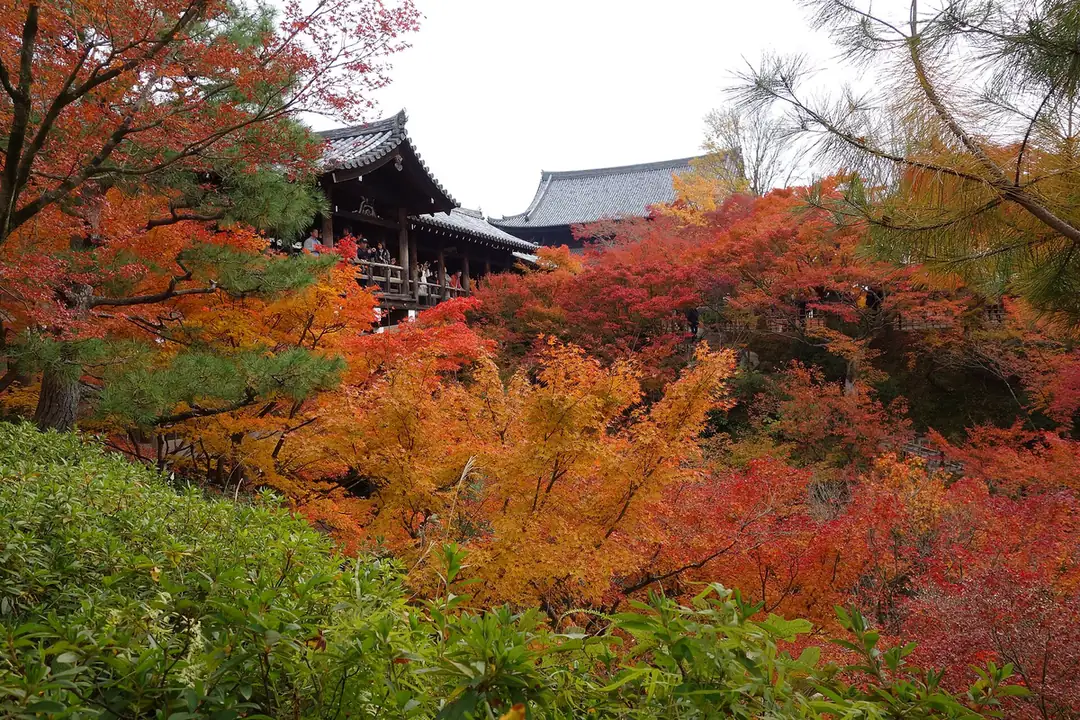
Worth itThe best maple ravine in Kyoto, and the one that behaves most like a crush. Go at opening or not at all.
The autumn period runs 14 November – 6 December, when the Tsūten-kyō ticket rises to ¥1,000 and the combined ticket is withdrawn. The temple prints those dates without a year and warns they change annually. Parking closes 25 October – 8 December.
Nara Park and Tōdai-ji
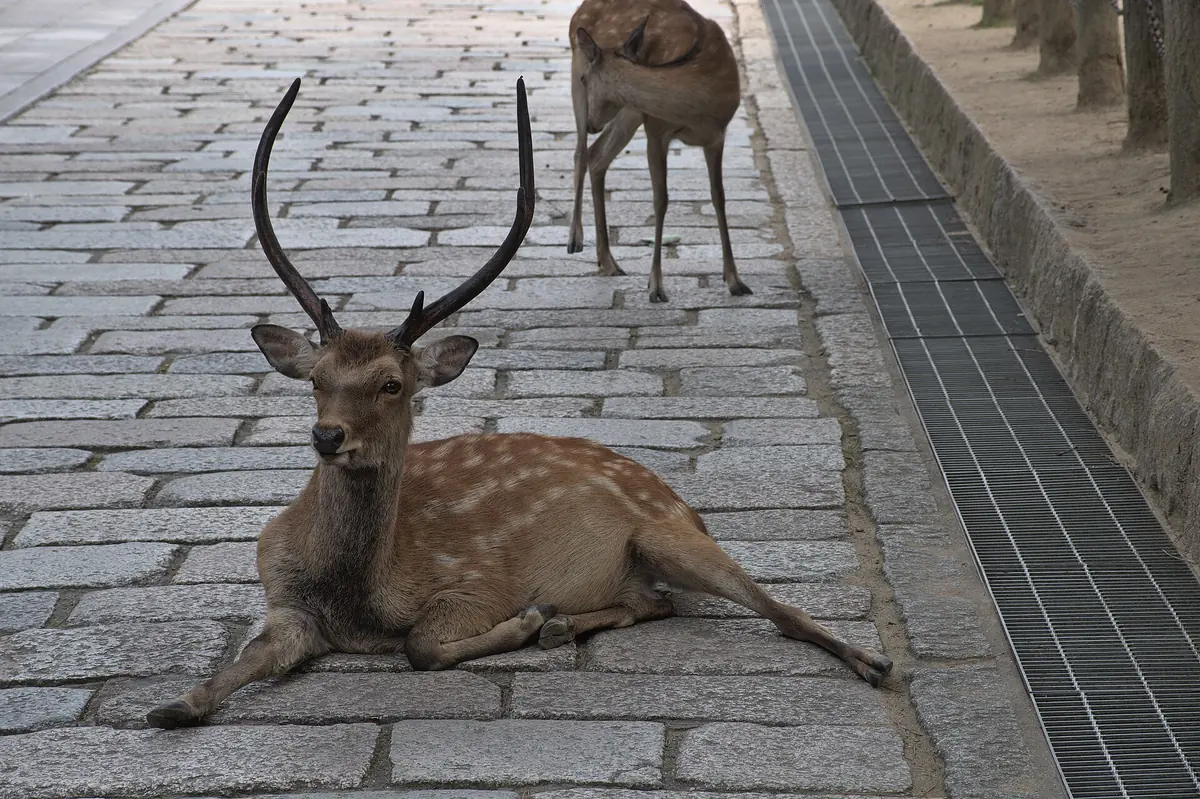
Worth itForty-five minutes and ¥720 from Kyoto for the largest bronze Buddha in Japan. The arithmetic is not close.
Dōtonbori
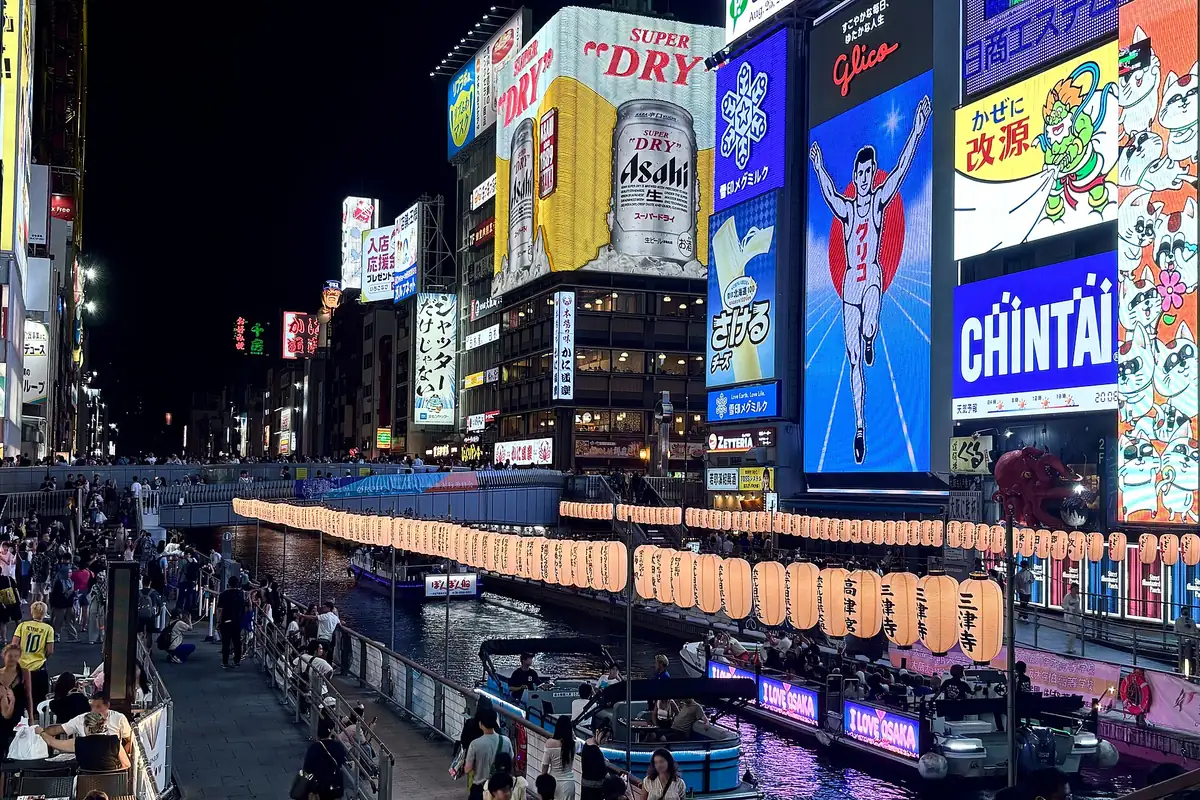
It dependsGo once, at night, and eat. It is a photograph you already have and a street food scene you do not.
Is the JR Pass worth it on this route?
Summed from the legs above rather than asserted.
| Leg the pass covers | Fare |
|---|---|
| Odawara → Kyoto | ¥12,100 |
| Kyoto → Nara | ¥720 |
| Kyoto → Osaka | ¥580 |
| Osaka → Kansai Airport | ¥2,910 |
| Pass-covered travel on this route | ¥16,310 |
| Legs it does not cover | You pay anyway |
|---|---|
| Shinjuku → Hakone-Yumoto | ¥2,470 |
| Shinjuku → Hakone (loop) | ¥7,100 |
A 7-day ordinary pass costs ¥50,000. This route uses ¥16,310 of pass-covered travel. It is not worth it – you would recover 33% of the price.
From 1 October 2026 the pass rises to ¥53,000, which takes that to 31%.
Pass prices: japanrailpass.net. Fares are the regular-season reserved figures from the legs above, each with its own source.
Tours you can book for this
Tokyo: Mt. Fuji Tour, Hakone Ropeway, Owakudani, Lake Ashi
A Mount Fuji day tour that takes in the Hakone ropeway and Lake Ashi, not a Hakone tour.
✓ Verified GetYourGuide reviews
Kyoto: Arashiyama Customized Rickshaw Tour & Bamboo Forest
The rickshaw runs the lanes the walking crowd cannot reach, and the price scales with the route you pick.
✓ Verified GetYourGuide reviews
Nara Park & Kinkakuji Temple Heritage Tour with Tea Ceremony
Departs Kyoto Station. The old title was “Nara Guided Half Day Bus Tour”; the product has changed.
✓ Verified GetYourGuide reviews
Osaka: Local Foodie Tour in Dotonbori and Shinsekai
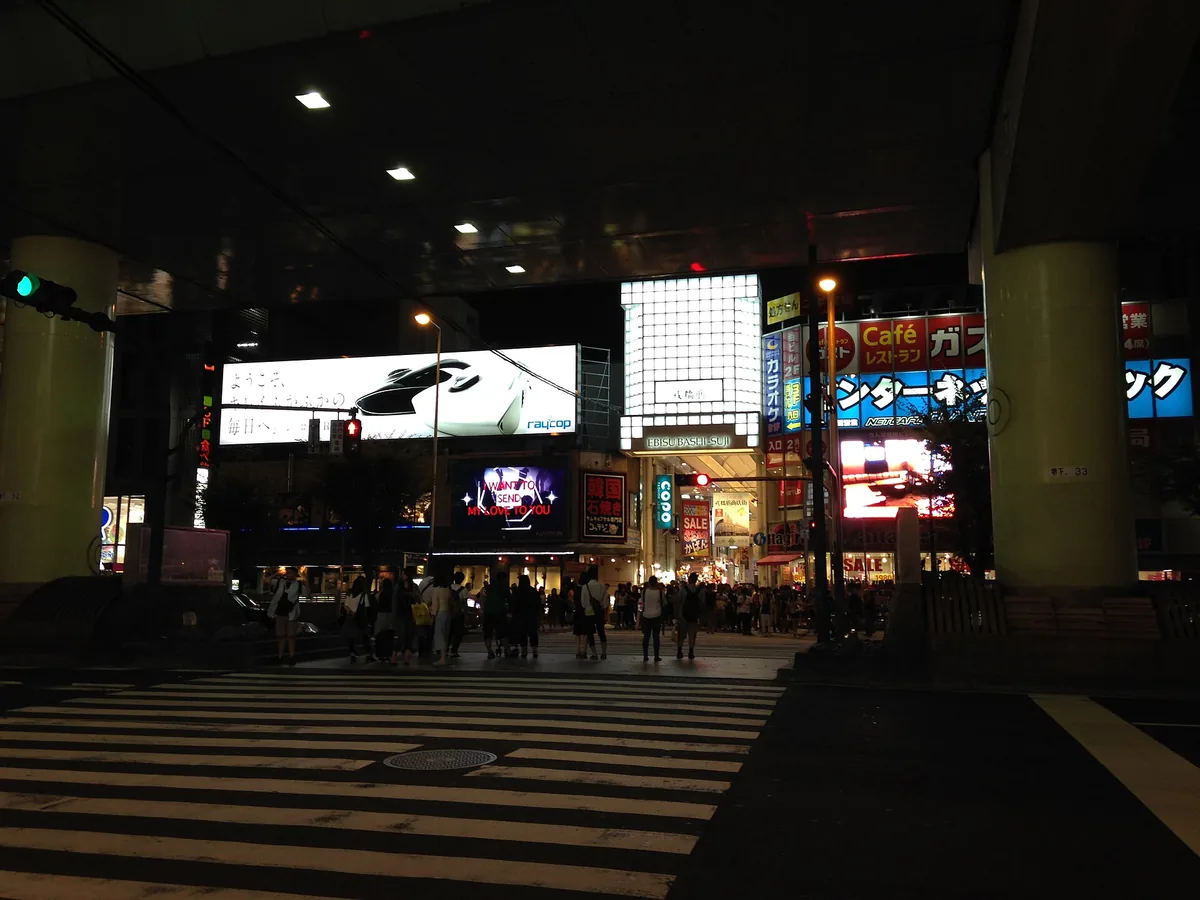
Dotonbori first, then Shinsekai: the tourist street and the one locals actually eat on, in the same afternoon.
✓ Verified GetYourGuide reviews
Booking through these links supports this site at no cost to you. Prices move day to day, so we do not print them here.
Frequently asked questions
Is 10 days enough for Japan?
For this line, yes, and it is the length it is designed around. Ten days gives you three cities properly and one onsen night. What it does not give you is the Alps, Hiroshima or Hokkaidō as well – adding any of those to ten days means two of your stops become afternoons.
Should I buy a JR Pass for a 10-day trip?
Not for this route. The pass-covered legs here come to ¥16,310 against a ¥50,000 pass, so you would recover about a third of it. The sums are on this page. A pass starts to make sense when you add long backtracking legs – Hiroshima, or Tokyo–Kyoto twice.
Which airport should I fly out of?
Kansai, if your ticket allows it. An open-jaw into Haneda or Narita and out of Kansai saves you a return trip up the Tokaido line, which is roughly ¥13,000 and the better part of a day.
When should I go?
Late November if you want Kyoto's maples – Tōfuku-ji and Arashiyama are forecast to start peaking around 24 November 2026. Early April for blossom. Avoid Golden Week at the start of May and the mid-August Obon week, when the whole country travels at once.
Is Hakone worth the night?
Midweek, yes. At a weekend it is the most over-touristed stop on this route and you would get more from a fifth night in Kyoto. It is the one stop here we would call conditional rather than recommended.
Further reading
Official sources
- Japan Rail Pass – official prices – 7/14/21-day ordinary prices, and the 1 October 2026 increase
- Odakyu – Romancecar – Limited express surcharge, Shinjuku departure
- Odakyu – Hakone Freepass – 2-day and 3-day prices
- JR West – Haruka one-way ticket – Visitor fare to Kansai Airport
- Weathernews – 2026 autumn foliage forecast – First forecast, issued 3 September 2026