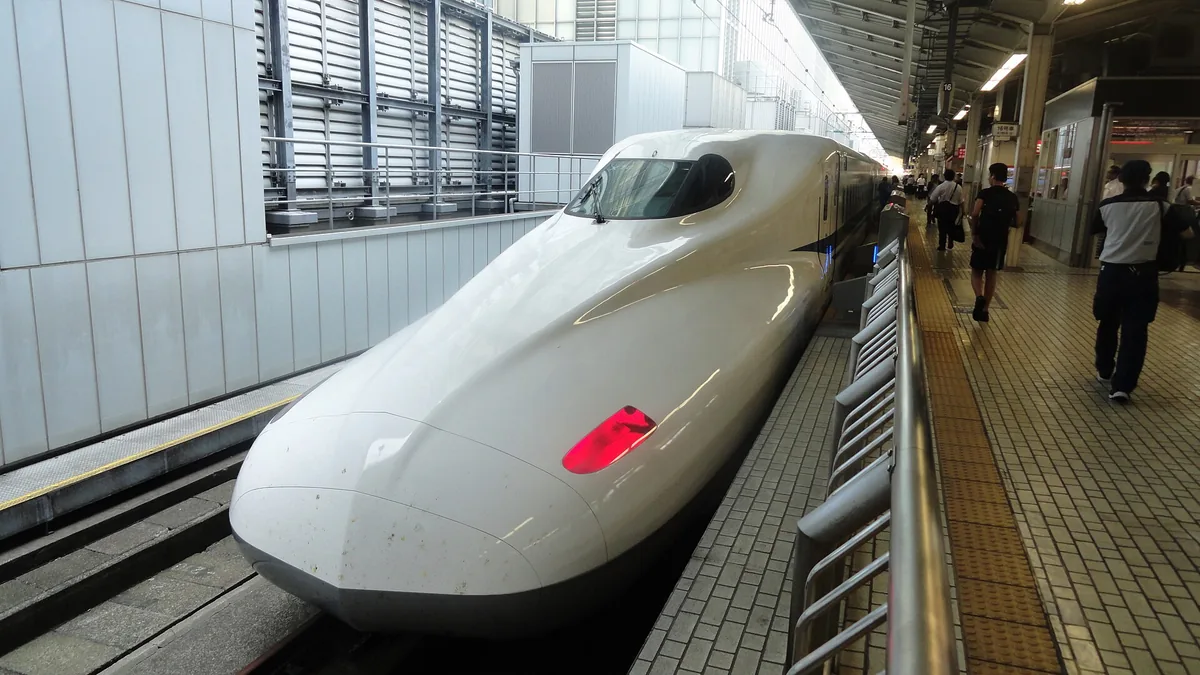
Japan in 2 weeks

Writes the route pages and owns the fare data behind them. Re-checks every segment on a quarterly sweep.
UpdatedFourteen days is where Japan stops being a corridor. The extra four days over the ten-day route buy you the Hida mountains and the Sea of Japan coast – Takayama and Kanazawa – which is the first genuinely different landscape most visitors see.
It also changes the money. Two weeks means more legs and longer ones, so the JR Pass arithmetic that fails badly on ten days gets closer here. Closer, on this shape, is still not over the line, and the sums are further down.
At a glance
- Shape
- Tokyo 3 · Takayama 2 · Kanazawa 2 · Kyoto 4 · Osaka 2
- Travel cost
- About ¥41,600 in fares, one person
- JR Pass
- Closer, but still short on this shape – sums below
- Best window
- Late October for the Alps; late November for Kyoto
In this guide
What the Alps detour actually costs
Be clear-eyed about it: Takayama and Kanazawa cost you about two travel days. Nagoya to Takayama is nearly three hours on the Hida. Takayama to Kanazawa is a two-and-a-half hour bus, because there is no railway between them – that is the route, not a downgrade. Kanazawa back to Kyoto is another two hours with a mandatory change at Tsuruga.
In return you get a preserved Edo merchant town, the best garden in Japan that is not in Kyoto, and mountain colour that peaks around 5 November – three weeks before Kyoto has anything. In late October that trade is obviously worth making. In April it is much less clear.
One routing note that catches people: since the March 2024 Hokuriku Shinkansen extension the Thunderbird runs only as far as Tsuruga. Guides describing a through train from Kanazawa to Kyoto are out of date.
Day by day
Days 1–3, Tokyo. As the ten-day route. Arrival day written off, one day on foot through Asakusa and Yanaka, one day free.
Days 4–5, Takayama. Down the Tokaido line to Nagoya, then the Hida up through the gorge – sit on the right. Two nights is right: the old town is small and the morning markets are the point.
Days 6–7, Kanazawa. The bus over, then Kenroku-en, the samurai district and the fish market. Two nights.
Days 8–11, Kyoto. Via Tsuruga. Four nights, one of them Nara.
Days 12–14, Osaka. Thirty minutes down, two nights eating, out through Kansai.
Every move, with what it costs
Fares are one-way, regular season, checked in September 2026.
Tokaido Shinkansen (Hikari) · 2h 30m – 2h 40m
¥13,850 reserved, regular season; ¥13,320 non-reserved checked 2026-09 Ekitan fare search
The pass-covered way to do this leg. Hikari is 15–25 minutes slower than Nozomi.
The other way to do it
- Tokaido Shinkansen (Nozomi) – ¥14,170 reserved, regular season, 2h 08m – 2h 15m. About 20 minutes faster, ¥320 more, and the ordinary pass does not cover it.
JR Central (Limited Express Hida) · 2h 15m – 2h 42m
¥6,140 reserved; ¥5,610 non-reserved checked 2026-09 jr-group.jp Hida fares
Nohi Bus / Hokutetsu (joint) · 2h 25m
¥4,200 checked 2026-09 Nohi Bus (official)
There is no rail line between these two. The bus is the route, not a downgrade.
Hokuriku Shinkansen to Tsuruga, then Thunderbird · about 2h 02m
¥7,720 reserved, regular season checked 2026-09 Ekitan fare search
A change at Tsuruga is now mandatory. Since the March 2024 Hokuriku Shinkansen extension the Thunderbird runs only as far as Tsuruga, and guides still describing a through train to Kanazawa are out of date.
JR Nara Line (Miyakoji Rapid) · 45m
¥720 checked 2026-09 Japan Guide – Kyoto to Nara
The other way to do it
- Kintetsu – ¥1,280 limited express; the regular express is ¥760, 35m limited express / 45m express. Ten minutes faster on the limited express and it stops nearer the deer park, but the pass does not cover it.
JR Kyoto Line (Special Rapid) · 30m
¥580 checked 2026-09 Japan Guide – Kyoto to Osaka
JR West (Haruka) · about 50m
¥2,910 reserved; the foreign-visitor one-way ticket is ¥1,800 checked 2026-09 JR West – Haruka one-way ticket (official)
JR West publishes only the discounted visitor price on its own English site. The ¥2,910 regular fare comes from a third-party fare service, not the operator.
The places, and whether they are worth it
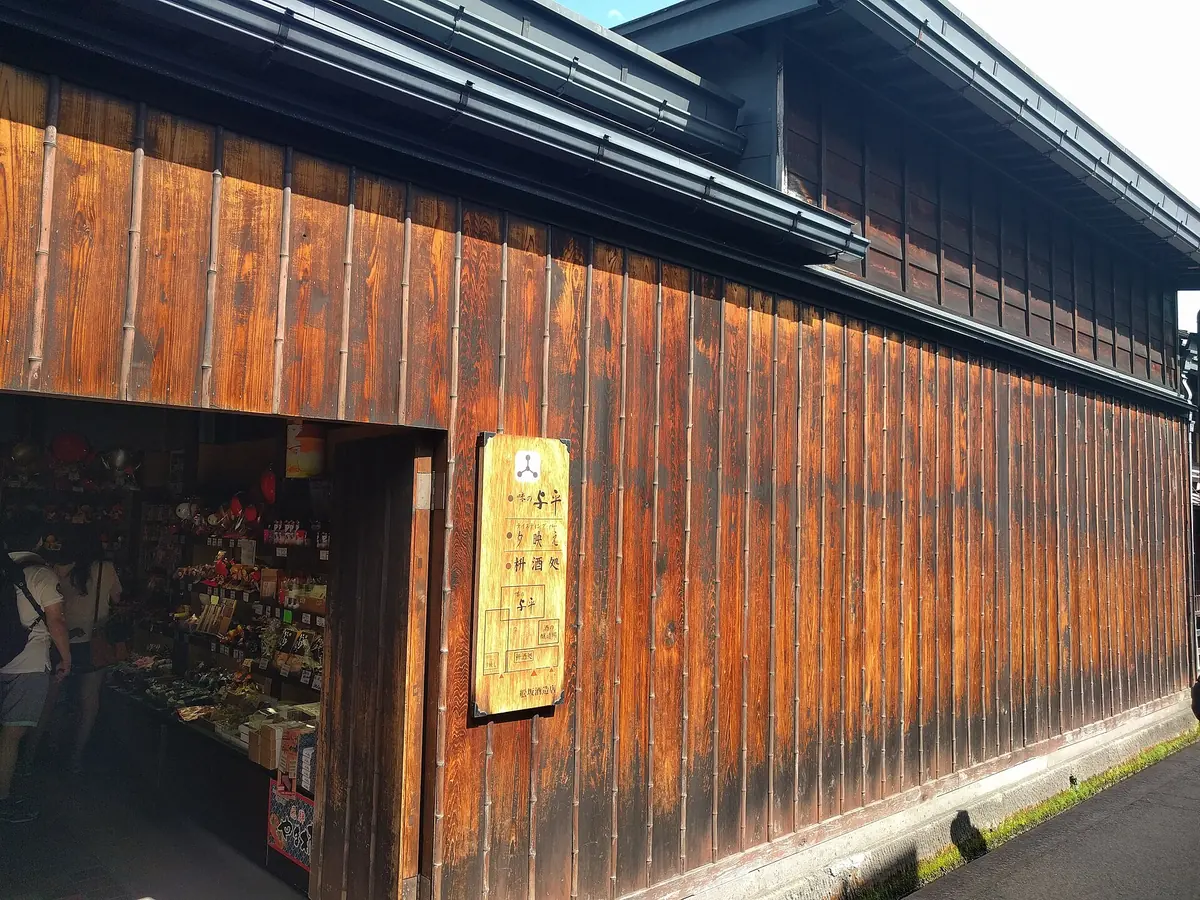
Takayama
It dependsCosts two travel days from the Tokyo–Kyoto line. Worth it in late October, when it has colour and Kyoto does not; hard to justify in a ten-day first trip otherwise.
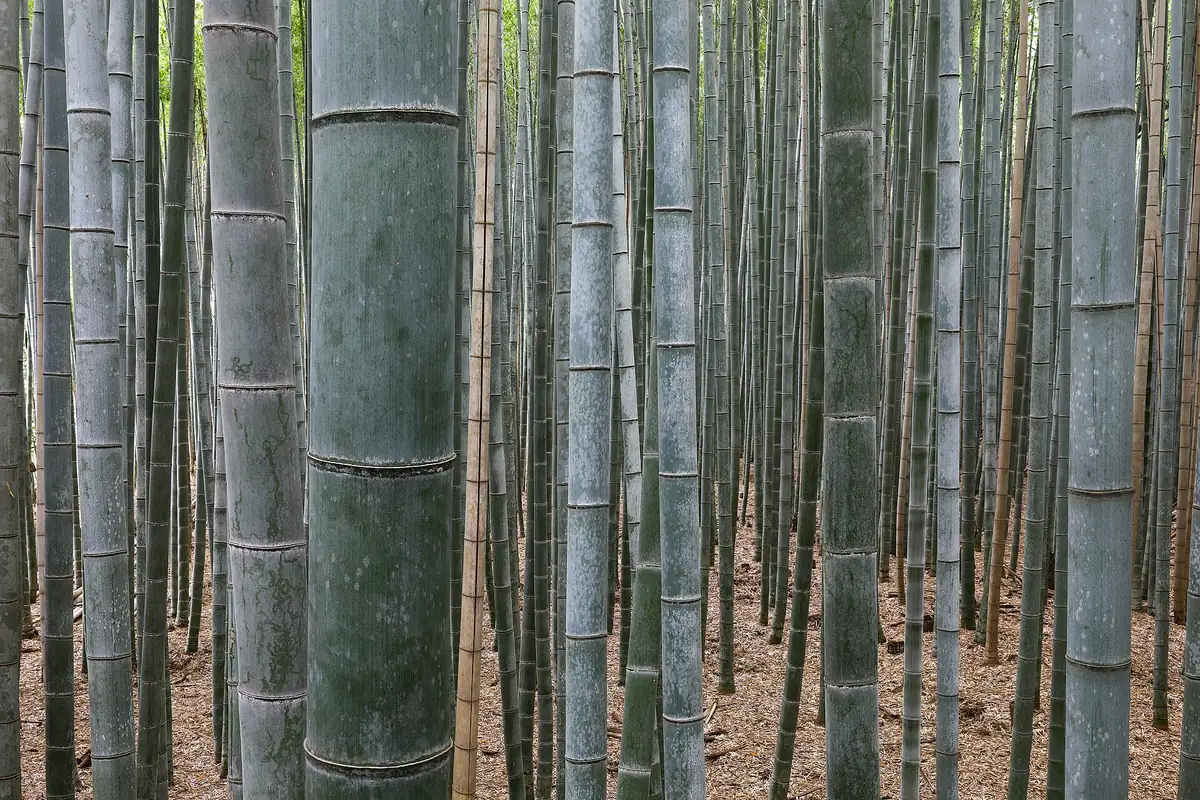
Arashiyama
It dependsThe bamboo grove before about 08:00 is worth the alarm. By eleven it is a queue with trees.
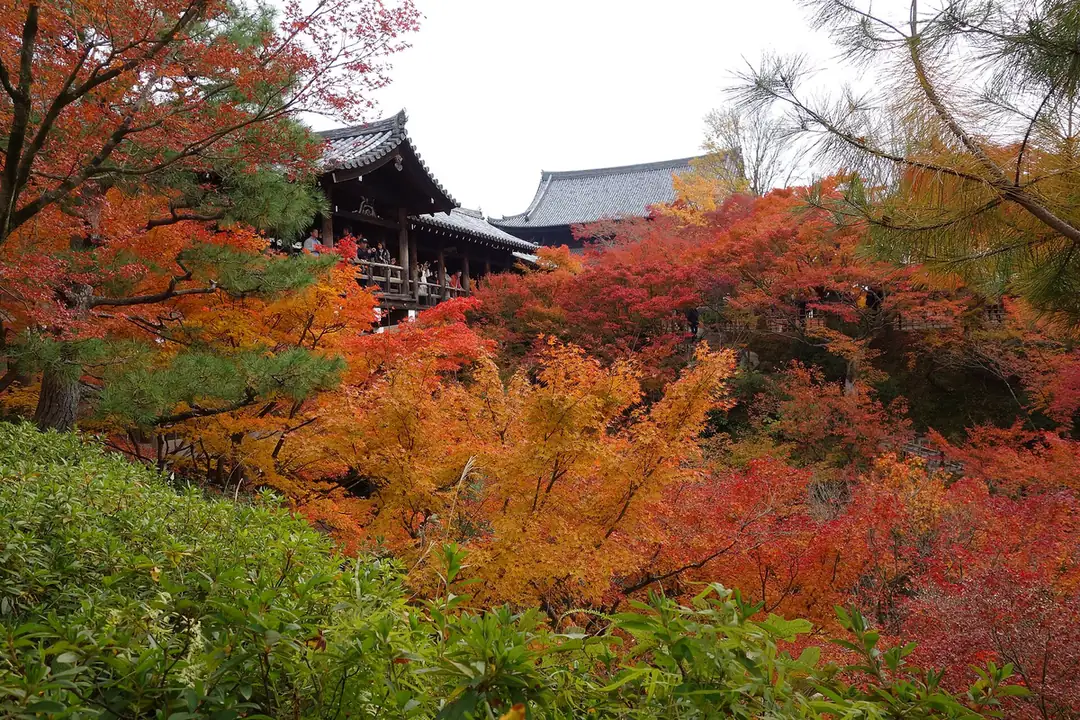
Tōfuku-ji
Worth itThe best maple ravine in Kyoto, and the one that behaves most like a crush. Go at opening or not at all.
The autumn period runs 14 November – 6 December, when the Tsūten-kyō ticket rises to ¥1,000 and the combined ticket is withdrawn. The temple prints those dates without a year and warns they change annually. Parking closes 25 October – 8 December.
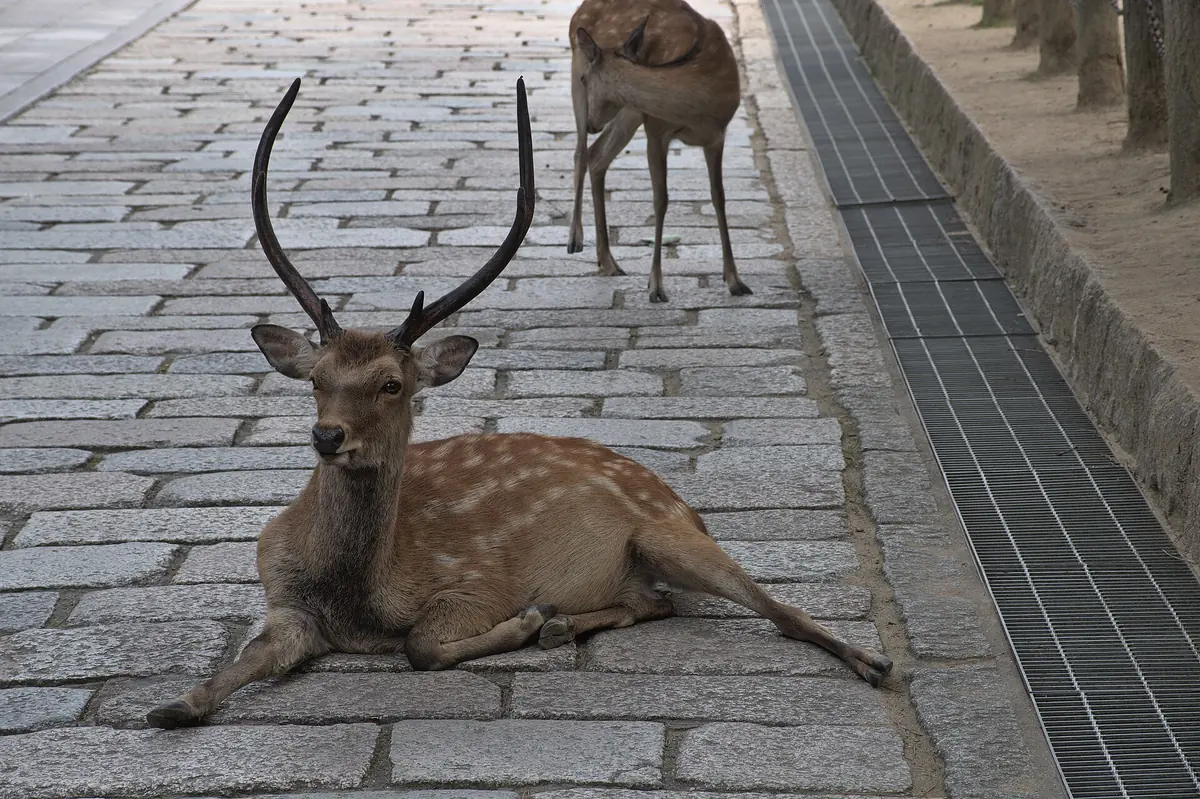
Nara Park and Tōdai-ji
Worth itForty-five minutes and ¥720 from Kyoto for the largest bronze Buddha in Japan. The arithmetic is not close.
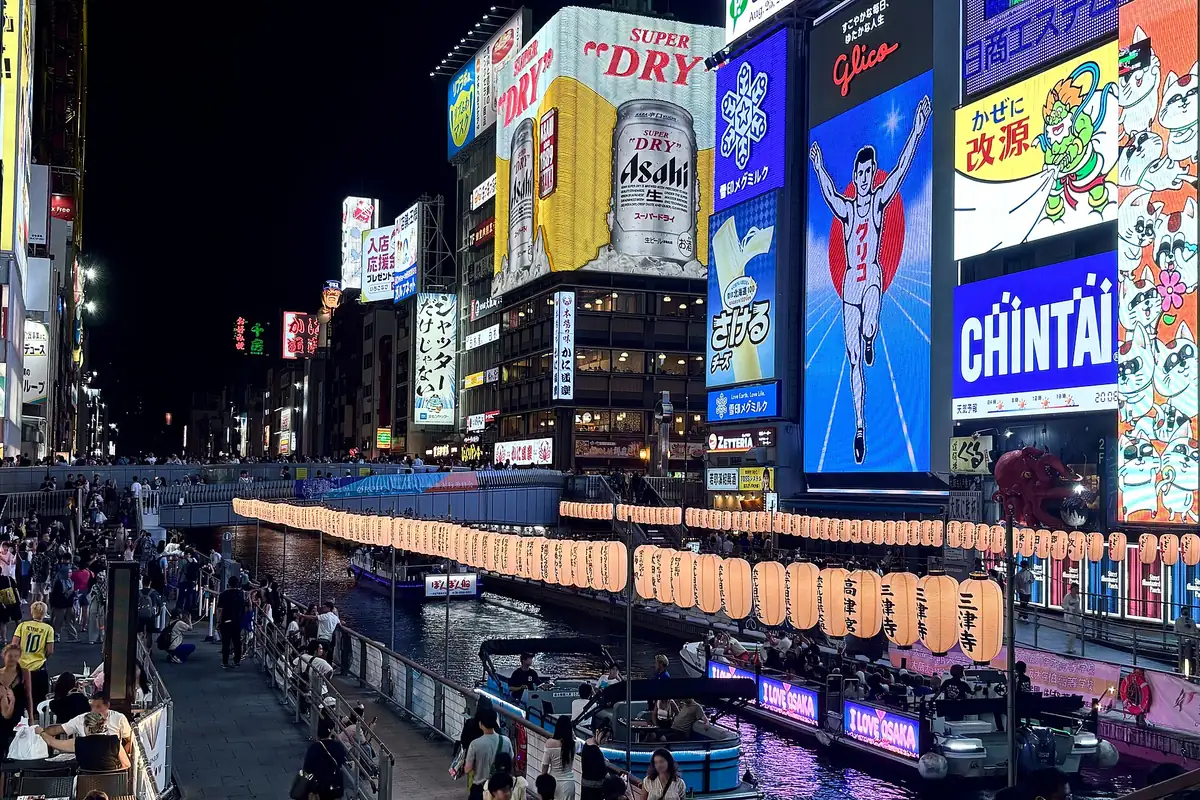
Dōtonbori
It dependsGo once, at night, and eat. It is a photograph you already have and a street food scene you do not.
Is the JR Pass worth it on this route?
Summed from the legs above rather than asserted.
| Leg the pass covers | Fare |
|---|---|
| Tokyo → Kyoto | ¥13,850 |
| Nagoya → Takayama | ¥6,140 |
| Kanazawa → Kyoto | ¥7,720 |
| Kyoto → Nara | ¥720 |
| Kyoto → Osaka | ¥580 |
| Osaka → Kansai Airport | ¥2,910 |
| Pass-covered travel on this route | ¥31,920 |
| Legs it does not cover | You pay anyway |
|---|---|
| Takayama → Kanazawa | ¥4,200 |
A 7-day ordinary pass costs ¥50,000. This route uses ¥31,920 of pass-covered travel. It is not worth it – you would recover 64% of the price.
From 1 October 2026 the pass rises to ¥53,000, which takes that to 60%.
Pass prices: japanrailpass.net. Fares are the regular-season reserved figures from the legs above, each with its own source.
Tours you can book for this
Kyoto: Arashiyama Customized Rickshaw Tour & Bamboo Forest
The rickshaw runs the lanes the walking crowd cannot reach, and the price scales with the route you pick.
✓ Verified GetYourGuide reviews
Nara Park & Kinkakuji Temple Heritage Tour with Tea Ceremony
Departs Kyoto Station. The old title was “Nara Guided Half Day Bus Tour”; the product has changed.
✓ Verified GetYourGuide reviews
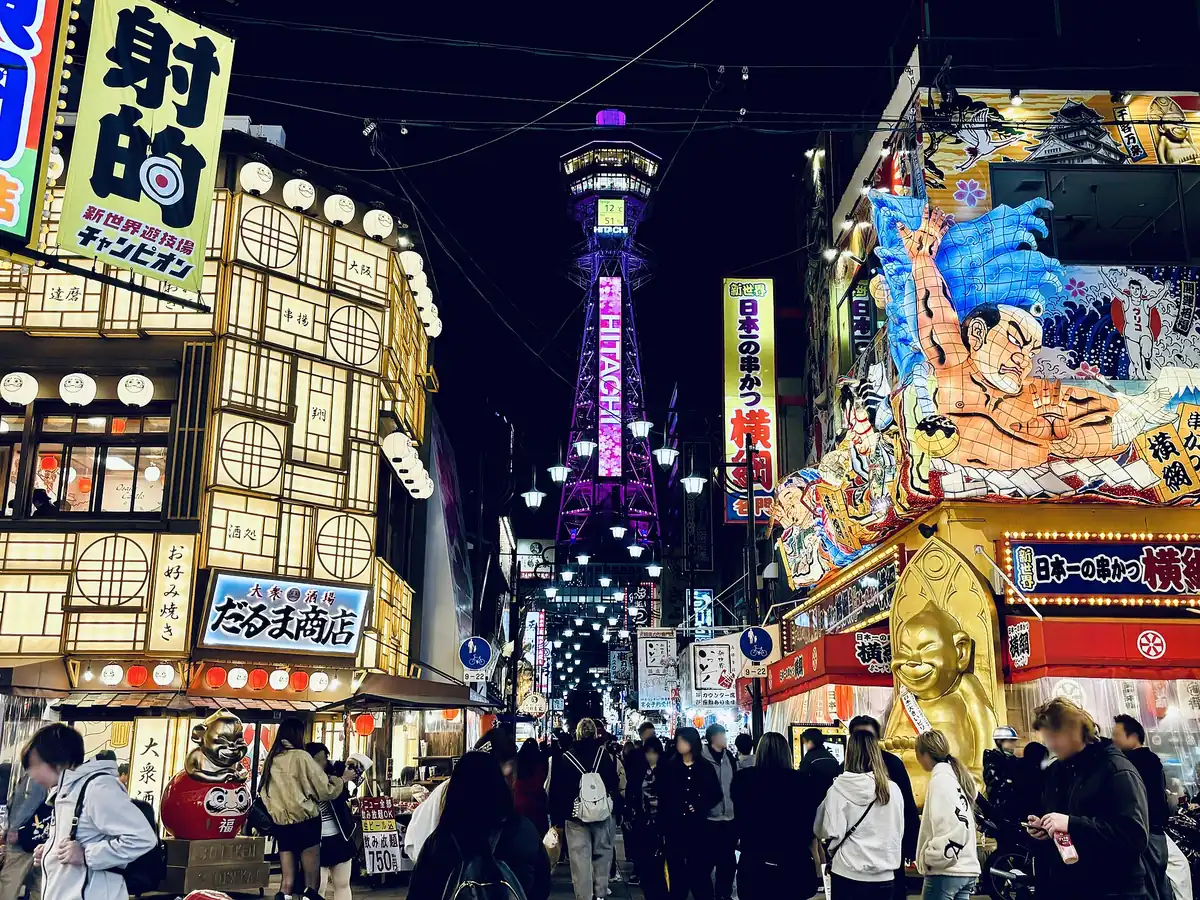
4-Stop Bar Crawl in Tenma: Osaka’s Best Bites & Sips
Tenma, not Namba – the product moved and most listings still say Namba. Over-20s only.
✓ Verified GetYourGuide reviews
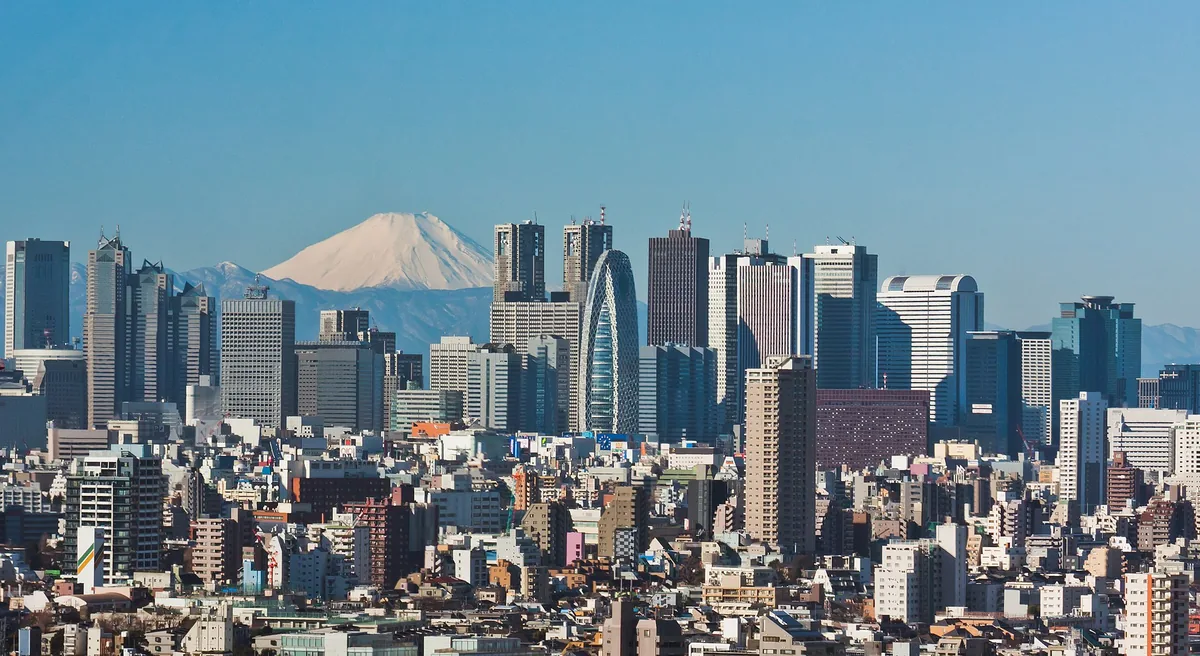
Tokyo: Narita Airport (NRT) Private Transfer for 1-9 Pax
Narita is 60–90 minutes from central Tokyo. A fixed-price car matters most with luggage or a late arrival.
✓ Verified GetYourGuide reviews
Booking through these links supports this site at no cost to you. Prices move day to day, so we do not print them here.
Frequently asked questions
Is 2 weeks enough for Japan?
Comfortably, for this shape. Fourteen days gives you Tokyo, the Alps, Kyoto and Osaka without any of them feeling like a stopover. It still does not stretch to Hiroshima and Hokkaidō as well.
Is the JR Pass worth it for 2 weeks?
Closer than on ten days, but still short on this route. The sums are on this page. A 14-day pass is ¥80,000 now and ¥84,000 from 1 October 2026, and this shape does not generate that much covered travel.
Are Takayama and Kanazawa worth the detour?
In late October, clearly – they have mountain colour three weeks before Kyoto does. At other times of year it costs you two travel days for a change of landscape, which is a real trade rather than an obvious win.
How do I get from Kanazawa to Kyoto?
Hokuriku Shinkansen to Tsuruga, then the Thunderbird to Kyoto – about two hours, ¥7,720 reserved. The change at Tsuruga is mandatory since March 2024; there is no longer a through train.
Further reading
Official sources
- Japan Rail Pass – official prices – 14-day ordinary price and the October 2026 rise
- Nohi Bus – Takayama to Kanazawa – Fare and journey time
- Weathernews – Takayama spot page – 2026 peak-start date, about 5 November