Hiiragiya

Writes the logistics pages. Works to one rule: a price comes from the company that charges it.
UpdatedHiiragiya has been an inn since 1818 and has been run by the same family throughout. It sits in Nakagyo, in the middle of the city, behind a plain wooden frontage that gives away nothing. Kawabata Yasunari stayed here. So did Charlie Chaplin.
It does not publish a headline rate. Rooms differ enormously – in age, size, whether they look onto a garden, and whether they are in the original building or the 2006 wing – and the inn quotes per room and per date, generally including dinner and breakfast. That is the traditional ryokan model and it is why a single price figure would be meaningless.
At a glance
- Rates
- Not published as a single figure. Hiiragiya quotes per room and per date, and rooms differ substantially
- Founded
- 1818, and run by the same family since
- Where
- Fuyacho Anekoji in Nakagyo – central, and walkable to Nishiki Market, Pontocho and the Kamo river
- Lodging tax
- Kyoto’s per-person lodging tax rose on 1 March 2026 to a top band of ¥10,000 per person per night. Confirm whether your quote includes it
In this guide
What you are actually buying
A ryokan at this level is not a hotel with tatami. The unit of sale is the night, inclusive: a room, a kaiseki dinner served in that room, a Japanese breakfast, the bath, and the attention of a nakai-san who is assigned to you and manages the whole sequence.
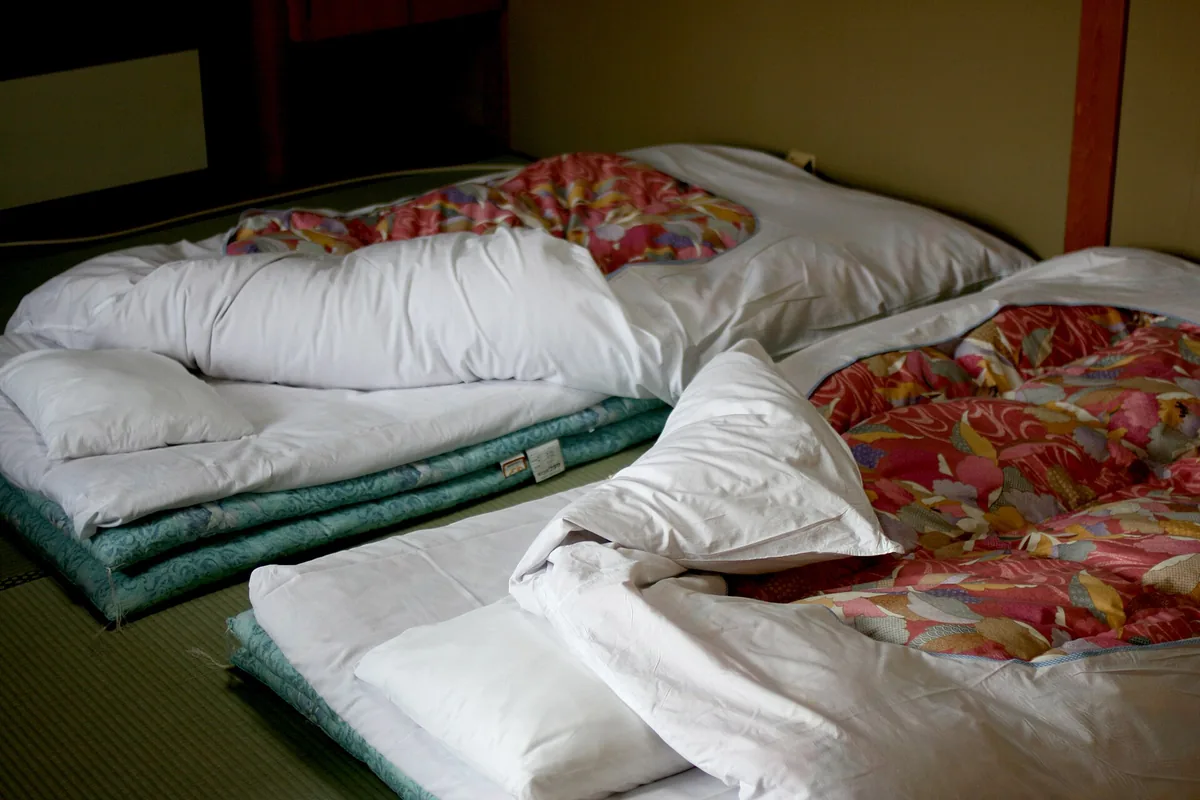
That sequence is the product. Tea and a sweet on arrival; the bath; dinner brought course by course and laid out on a low table; the table cleared and the bedding put down while you are elsewhere; breakfast in the morning in the same room, which has been reset again. You are not managing any of it, and you are also not free to skip it. Ryokan dinner is at a set time and it is the evening.
This is why a ryokan works best as one or two nights rather than a stay. A week of it prevents you eating anywhere in downtown Kyoto, which is a waste of being in Kyoto. Most people who have done it well book the ryokan for the middle of the trip and a normal hotel around it.
The building and the rooms
The main house is timber, sukiya-style, built around small courtyard gardens so that almost every room looks onto planting. The detail is the point: hand-planed posts, individually designed door pulls, tokonoma alcoves hung to the season. Parts of the structure are nearly two centuries old and it is registered as a cultural property.
The newer wing, opened in 2006, was built by the same craftsmen in the same idiom with modern bathrooms. Purists want the old building; anyone who values a shower will find the new one easier. Ask which you are being quoted for, because the difference is significant and it is not always obvious from a booking page.
Around twenty-odd rooms in total, so the whole inn is smaller than a single floor of a business hotel. It is also genuinely quiet, in the middle of a city, which is the trick the machiya form was designed to perform.
Location, and the tax
The location is the strongest practical argument for Hiiragiya over the resort ryokan further out. Fuyacho Anekoji is five minutes from Nishiki Market, ten from the Kamo river, fifteen from Gion, and on the subway. Hoshinoya is a boat ride from a village on the western edge of the city; this is in the middle of everything.
On the tax: Kyoto raised its per-person lodging tax on 1 March 2026, and the top band is now ¥10,000 per person per night – the highest in Japan. It is charged per person, not per room, and it bites hardest exactly at this class of property. Two people at a high-band rate can be paying ¥20,000 a night in tax alone.
Confirm with the inn whether the figure you are given includes the tax and the service charge. Anything written about Kyoto hotel costs before March 2026 is now understated.
Frequently asked questions
How much does Hiiragiya cost?
The inn does not publish a single rate. It quotes per room and per date, generally including dinner and breakfast, and the rooms vary enormously. Contact the ryokan directly for a figure.
Is dinner included?
Usually yes. The traditional ryokan model sells the night inclusive of a kaiseki dinner served in your room and a Japanese breakfast. Dinner is at a set time and is effectively your evening.
How old is Hiiragiya?
It has operated as an inn since 1818 under the same family, and parts of the main building are close to two centuries old. It is registered as a cultural property.
Old building or new wing?
Both exist. The 2006 wing was built by the same craftsmen in the same style but with modern bathrooms. Ask which you are being quoted, because the experience differs and booking pages do not always make it clear.
How much is the Kyoto lodging tax?
Since 1 March 2026 it runs up to ¥10,000 per person per night in the top band, the highest accommodation tax in Japan. It is charged per person rather than per room, so confirm whether your quote includes it.
Further reading
Official sources
- Hiiragiya Ryokan (official English site) – Rooms, history and reservation enquiry. No published headline rate
- South China Morning Post – Kyoto’s March 2026 lodging tax – The ¥10,000 top band in force from 1 March 2026