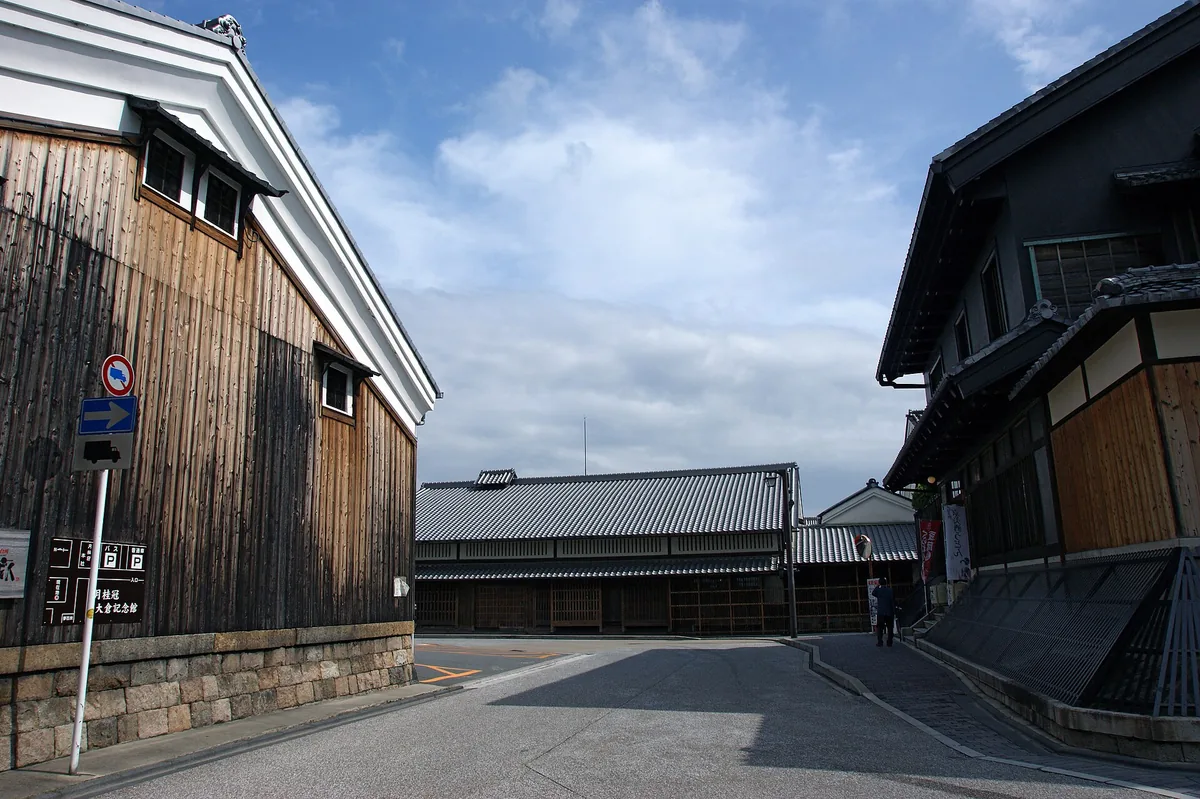
Fushimi sake district
Writes the route pages and owns the fare data behind them. Re-checks every segment on a quarterly sweep.
UpdatedThis page carries dated prices or seasonal forecasts checked on the date above, and that window has now passed. Re-check the sources at the foot of the page before you book anything.
Fushimi is the second-largest sake-producing district in Japan after Nada, and it is twenty minutes south of central Kyoto. The Gekkeikan Okura Sake Museum charges ¥600 for visitors aged twenty and over, which includes three tastings, and ¥100 for thirteen to nineteen-year-olds, who get a souvenir but obviously not the sake.
One recent change worth knowing before you set off: since 1 July 2026 the museum has been entirely cashless. Admission, the guided tour and the shop take cards and code payments only, and banknotes are not accepted. In a country where small cultural sites are usually cash-first, this catches people out.
At a glance
- Gekkeikan Okura Sake Museum
- ¥600 for visitors aged 20 and over, ¥100 for 13 to 19, free under 13. Includes three tastings for over-20s and a souvenir for over-13s
- Hours
- 9:30–16:30, reception closes at 16:00. Allow 40 to 60 minutes
- Cashless
- The museum stopped accepting cash on 1 July 2026. Cards and code payments only, for admission, tours and the shop
- Closed
- 13 to 16 August and 28 December to 4 January, plus occasional days
In this guide
Why the sake is here
Water. Fushimi sits on an aquifer producing a soft, mineral-light groundwater the brewers call gokosui, and the sake made from it is correspondingly soft and rounded. Nada, near Kobe, has hard water and makes a drier, sharper style – the two are usually described as the masculine and feminine poles of Japanese brewing, which is a cliché that happens to be a reasonable description of the difference in the glass.
The same aquifer is the reason Kyoto makes the tofu it does, and the reason yudofu is a Kyoto dish. It is the single geological fact underlying most of what the city is known for eating and drinking.
Brewing here goes back to the sixteenth century and industrialised in the nineteenth. Around twenty breweries still operate in the district, and it remains a working industrial quarter rather than a preserved one – which is exactly why it is more interesting than a heritage site.
The museum visit, in detail
Gekkeikan was founded in 1637 and its museum occupies a nineteenth-century brewery building on the Horikawa canal. The route is self-guided, takes forty minutes to an hour, and covers the tools and the sequence of traditional brewing, with a phone-based guide available over the museum’s free wifi.
It ends at the tasting counter, where over-twenties choose three from about ten sakes that rotate seasonally. Groups are capped at twelve at a time, groups of thirteen or more are not currently accepted, and the museum asks for online advance booking with priority entry at quarter past and quarter to the hour; walk-in slots exist on the hour and half hour when there is space.
There is also a longer guided brewery tour of about eighty minutes into the adjacent working Uchigura brewery, including filling your own 300ml bottle to take away and tasting three undiluted genshu unavailable anywhere else. It runs by reservation.
Anyone driving, cycling, under twenty, pregnant or breastfeeding cannot take the tastings. That is stated plainly and it is the main reason to come by train.
The rest of the district
Do not come only for the museum. The canal frontage of white-walled kura warehouses is one of the best streetscapes in the Kyoto area, and in season there are small boats on the Horikawa. The Teradaya inn, where Sakamoto Ryoma was attacked in 1866, is a few minutes away, and Gokonomiya shrine has a spring you can drink from.
Several other breweries run tasting rooms and there are izakaya through the district pouring Fushimi sake with food. The whole thing works best as a late-morning-to-afternoon block, because the museum shuts at 16:30 and the brewery visits are daytime activities.
Which makes it the natural pairing with Fushimi Inari, a few stops north on the same Keihan line and open all night: breweries in the afternoon, shrine after dark, when the gates are lit and empty. For the drinking end of the same subject back in the city, Sake Bar Yoramu pours in 60ml measures four nights a week.
Frequently asked questions
How much is the Gekkeikan Okura Sake Museum?
¥600 for visitors aged 20 and over, which includes three tastings, ¥100 for 13 to 19-year-olds, who receive a souvenir, and free for children under 13.
Can you pay cash?
No. Since 1 July 2026 the museum has been entirely cashless – admission, tours and the shop all require a card or a code payment. Banknotes are not accepted.
What are the opening hours?
9:30 to 16:30 with reception closing at 16:00. Allow forty minutes to an hour. It closes 13 to 16 August and 28 December to 4 January.
Do you need to book?
The museum asks for online advance booking and gives reserved visitors priority entry at quarter past and quarter to the hour. Same-day slots exist on the hour and half hour if capacity allows. Groups are capped at twelve and parties of thirteen or more are not currently accepted.
How do you get to Fushimi?
Keihan line to Chushojima, or the Kintetsu line to Momoyama-Goryomae, both around twenty minutes from central Kyoto. Come by train rather than car – anyone driving cannot take the tastings.
Further reading
Official sources
- Gekkeikan Okura Sake Museum – visitor information (official) – ¥600 / ¥100 / free admission with three tastings, 9:30–16:30, group cap of 12, and the guided brewery tour
- Gekkeikan Okura Sake Museum – notices (official) – The 1 July 2026 move to fully cashless payment