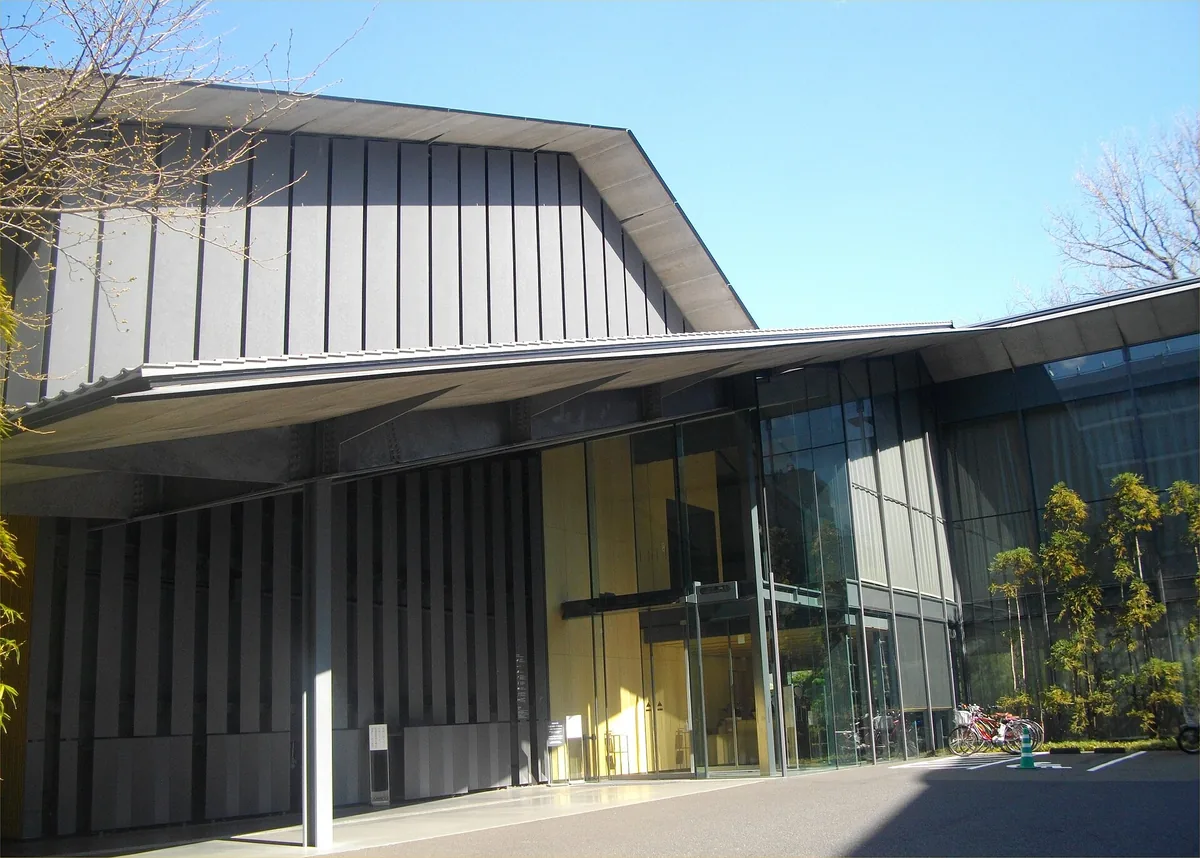
Nezu Museum

Writes the autumn colour pages and follows the forecasts as they are issued, which is more than one forecast.
UpdatedThis page carries dated prices or seasonal forecasts checked on the date above, and that window has now passed. Re-check the sources at the foot of the page before you book anything.
The Nezu Museum charges ¥1,600 online and ¥1,800 at the door for a special exhibition, and ¥1,400 against ¥1,600 for a collection show. Booking online saves ¥200 a head, every time, with no conditions attached. It is closed on Mondays.
And the honest headline is this: most people who come for the art leave talking about the garden. There is roughly 17,000 square metres of wooded valley behind the building, included in the ticket, in the middle of the most expensive retail district in Japan. It is the reason to come.
At a glance
- Admission, special exhibition
- ¥1,600 and up online, ¥1,800 and up at the door – booking online saves ¥200
- Admission, collection show
- ¥1,400 online, ¥1,600 at the door
- Hours
- 10:00–17:00, last entry 16:30
- Closed
- Mondays, exhibition changeover periods and the New Year. Open on a public-holiday Monday, closed the next day
- Garden
- About 17,000 square metres, included in the ticket
In this guide
The garden, which is the point
Walk through the galleries, out of the back of the building, and the ground drops away into a wooded ravine with streams, stone lanterns, moss, a pond with carp, and four teahouses. The noise of Omotesando stops within about twenty metres. It is not a manicured garden in the Kyoto sense; it is deliberately rough, shaded and slightly wild, and it is laid out on paths that keep looping back so a small space reads as a large one.
It was the private garden of Nezu Kaichiro, the Tobu Railway magnate whose collection the museum holds, and it survives because his house stood here. The scattered stone Buddhas and lanterns along the paths are part of the collection, brought in from around Japan and Korea, and are the only part of it that lives outdoors.
It is at its best in the first half of April for the azaleas and in the last week of November for the maples, and it is good in the rain, which is when the moss is at its strongest and almost nobody is in it. There is a glass-walled cafe looking into it, which is a very civilised place to run out of energy.
The collection and the building
Nezu Kaichiro assembled over seven thousand works of pre-modern Japanese and East Asian art, and the museum now holds more than that, including several National Treasures. The strengths are Chinese archaic bronzes, Japanese and Chinese painting, Buddhist sculpture, and the tea ceremony – the tea utensil holdings are among the most important anywhere.
The famous object is Ogata Korin’s Irises screens, a National Treasure, displayed for a few weeks each spring to coincide with the flowering of the real irises in the garden. That is the busiest fortnight of the museum’s year and the tickets for it go first.
The 2009 building is Kengo Kuma at his most restrained: a long approach under a deep eave, walled on one side in bamboo, that takes about forty seconds to walk and does more work than the whole rest of the building. It is a deliberate decompression chamber between Aoyama and the collection, and it succeeds.
Fitting it into a day
Allow ninety minutes: forty-five for the galleries, forty-five for the garden. It closes at 17:00 with last entry at 16:30, which makes it a morning or early-afternoon proposition rather than an evening one.
The exhibition changeover closures are worth checking. The museum shuts for a week or more between shows, which is not the same as the Monday closure and catches people who have only checked the weekly pattern.
It sits eight minutes from Omotesando station, which puts it within a short walk of the Aoyama architecture strip and twenty minutes east of Meiji Jingu. Those two and nothing else is a good day: two very different pieces of engineered green space, one free and enormous, one paid and small, with lunch in between. teamLab Borderless at Azabudai Hills is twenty minutes east if you want a third thing.
Frequently asked questions
How much is the Nezu Museum?
Special exhibitions are ¥1,600 and up online and ¥1,800 and up at the door. Collection shows are ¥1,400 online and ¥1,600 at the door. High school students and younger enter free with ID.
Does booking online save money at the Nezu Museum?
Yes, ¥200 a head compared with the door price, on every ticket type. It is the cheapest saving in this guide to arrange.
What day is the Nezu Museum closed?
Mondays, plus exhibition changeover periods and the New Year holidays. When a Monday is a national holiday it opens and closes the following Tuesday instead.
Is the garden included in the ticket?
Yes. The roughly 17,000 square metre garden, its four teahouses and the cafe are all inside the paid area, and for many visitors they are the better half of the visit.
When are the Irises screens on display?
Ogata Korin's National Treasure screens are shown for a few weeks each spring, timed to the irises flowering in the garden. It is the museum's busiest period and tickets sell out.
Further reading
Official sources
- Nezu Museum – visiting information (official) – Online and door prices, hours and closing days
- Nezu Museum (official) – Collection overview and current exhibitions
- Nezu Museum – questions and answers – Garden access, photography and facilities